

Las Vegas Landlord Checklist: Before You Rent Your Home
Las Vegas Landlord Checklist: Before You Rent Your Home

Step 1: Confirm You Can Legally Rent the Property
- Check your mortgage. Some loans include occupancy requirements or require notice before renting.
- Review HOA rules. Communities may regulate lease lengths, registration, and rental-related fees.
- Check local licensing. Requirements can differ across Las Vegas, Henderson, North Las Vegas, and unincorporated Clark County. Confirm the jurisdiction for your address.
- Consider rental type. Short-term rentals have separate restrictions. This guide focuses on long-term housing.
Step 2: Update Your Insurance
A standard homeowners policy may not cover a rental. Ask your insurance agent about landlord insurance coverage for the structure, liability, and lost rental income following a covered event. Discuss whether umbrella coverage makes sense. Consider appropriate renters insurance provisions in your lease and confirm they comply with applicable requirements.
Step 3: Understand the Financial Picture
Estimate rent using comparable properties, then account for vacancy, management fees, repairs, insurance, taxes, HOA charges, and mortgage payments. Set aside reserves for unexpected expenses rather than assuming every month will produce income.
Review the tax treatment of rental earnings and deductions with a professional. A realistic budget makes it easier to decide whether renting is the right financial move.
Step 4: Inspect and Repair the Home
Walk through the property carefully, paying particular attention to systems affected by Southern Nevada’s climate.
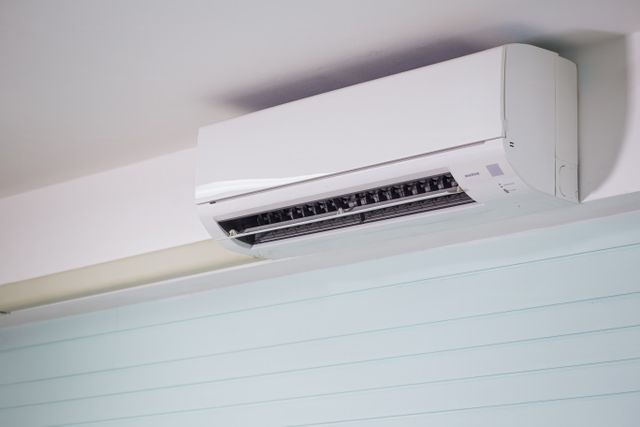
- Air conditioning: Service the system and address problems before extreme heat arrives.
- Roof and exterior: Look for damaged roofing, cracked stucco, worn paint, and deteriorating seals.
- Plumbing: Check leaks, water pressure, the water heater, and fixtures affected by hard water.
- Electrical: Test outlets, switches, breakers, and lighting.
- Windows and doors: Verify locks, seals, and weatherstripping.
- Pool and landscaping: Inspect equipment, irrigation, and any maintenance needs.
- Safety devices: Test required smoke and carbon monoxide alarms.
Step 5: Make the Home Rent-Ready
Clean thoroughly, repair cosmetic damage, repaint scuffed walls, and replace worn or damaged fixtures where appropriate. Small details like working lights, secure hardware, and clean flooring make the home more appealing and demonstrate proper upkeep.

Energy efficiency matters in Las Vegas. Seal gaps around windows and doors, clean air filters, check ceiling fans, and consider heat-reducing window coverings. These improvements can support comfort and help manage cooling costs.
Rekey locks between tenancies, test exterior lighting, and make sure gates and garage doors work securely. Document completed work before listing.
Step 6: Address Safety and Disclosure Requirements
Confirm the home meets applicable habitability and safety standards. Check required alarms, identify hazards, and prepare disclosures required by Nevada law. For most homes built before 1978, federal lead-based paint disclosure rules also apply.
Keep inspection reports, repair receipts, and disclosure records together. Clear documentation can help demonstrate that concerns were addressed before move-in.
Step 7: Price the Rent Accurately
Compare rentals with similar square footage, condition, location, and amenities. Look at properties in your immediate market rather than relying on a valley-wide average. Pricing in Summerlin, Henderson, Spring Valley, Enterprise, and North Las Vegas can differ significantly.
Overpricing can extend vacancy; underpricing may reduce your return. Your operating costs matter to your budget, but comparable rentals help determine what the market will support.
Step 8: Prepare Marketing
- Use bright, accurate photos that show the property clearly.
- Describe features such as air conditioning, parking, storage, and outdoor space.
- Post on relevant rental platforms and use signage where permitted.
- Respond promptly and offer consistent showing options.
- Make sure listing descriptions and advertisements comply with fair housing requirements.
Understanding how to price your Las Vegas rental property can help you attract interest while avoiding extended vacancies or missed rental income.
Step 9: Set Your Screening Standards
Write objective application criteria before advertising. Apply them consistently, verify relevant financial and rental information, and obtain appropriate authorization for background or credit checks. Follow federal and Nevada fair housing rules, including lawful accommodation requests. Assistance animals should not be treated as ordinary pets.
Keep decisions documented and follow the FTC’s guidelines for using consumer reports, including providing required adverse action notices when a report influences a decision. Avoid assumptions about applicants based on personal characteristics or household composition.
Step 10: Prepare a Compliant Lease
A written lease should identify the parties and property, rental term, total required rent and fees, payment methods, deposit terms, utility responsibilities, maintenance procedures, and lawful policies. Address access, notices, and the process for reporting repairs.
Nevada has specific requirements for written rental agreements and how mandatory recurring charges are presented. Have the lease reviewed for compliance rather than relying on an outdated template.
Step 11: Plan for Security Deposits
Understand Nevada’s deposit limits and rules for deductions and refunds. Document the home’s condition with dated photos and a written move-in report, then repeat the process at move-out.
Distinguish ordinary wear from damage when evaluating deductions. An accurate accounting and organized records can help prevent disputes.
Step 12: Set Up Rent Collection and Records
Choose a reliable payment system, clearly communicate lawful payment options and due dates, and keep a separate ledger for each rental.

Record charges, payments, maintenance invoices, and owner expenses. Consistent documentation makes financial reporting and tax preparation easier.
Step 13: Plan for Maintenance
Identify dependable HVAC, plumbing, electrical, and general repair vendors before an emergency occurs. Establish a process for reporting issues and approving work. Schedule preventive service, particularly for cooling equipment, and keep a repair reserve available.
A consistent preventive maintenance plan can help landlords identify developing problems, reduce unexpected repair expenses, and protect property value.
Step 14: Know the Notice and Eviction Basics
Nevada has specific notice and court procedures for unpaid rent and lease violations. Never attempt to remove a tenant by changing locks, cutting utilities, or bypassing the legal process. Keep accurate records and seek qualified guidance when a dispute develops.
Step 15: Decide Whether to Manage It Yourself
Marketing, screening, repairs, rent collection, bookkeeping, and compliance all require ongoing attention. Some owners have the time and experience to manage these responsibilities. Others prefer professional property management.
B&R Property Management works with property owners and investors in the Las Vegas Valley, emphasizing local knowledge, hands-on management, and financial reporting. Discuss the property’s needs and confirm which services are available before signing an agreement.
Bottom Line
Preparing a Las Vegas rental means more than cleaning and listing the home. Owners need to confirm legal and insurance requirements, budget for vacancies and repairs, address desert-climate maintenance, and establish fair screening and lease procedures. Proper preparation can help reduce unexpected expenses and protect your investment.
For owners seeking additional support, B&R Property Management offers professional property management services to simplify these responsibilities and support long-term rental success.