

Why Successful Real Estate Investors Partner With Property Management Companies
Why Successful Real Estate Investors Partner With Property Management Companies

Key Takeaways
- Apartment performance depends on operations: Leasing, collections, maintenance, turnover, and resident service influence net results.
- Systems improve consistency: Written criteria, documented workflows, and reliable reporting help owners make repeatable decisions.
- Local expertise saves owner time: A manager can coordinate vendors, communications, notices, and day-to-day issues.
- Partnerships should be evaluated: Services, authority, fees, reporting, and communication must fit the apartment investment.
- Useful reporting supports growth: Clear operating data helps investors compare buildings, plan capital work, and evaluate future purchases.
Apartment investing does not stop at acquisition. Every unit adds leasing, maintenance, accounting, communication, and compliance work, and those responsibilities continue through changing markets and resident turnover. Strong operations can support an investment plan; weak systems can erode it.
B&R Property Management works with apartment owners who want experienced day-to-day support. A management partnership does not guarantee occupancy or returns, but it can give an investor structure, local capacity, and better operating information.
Marketing and Vacancy Management
Vacant apartment units create direct carrying costs and may also increase utility, security, cleaning, and turnover expenses. Effective apartment marketing and vacancy planning starts with current photographs, accurate descriptions, competitive pricing, clear availability, and objective application requirements. Response time and showing coordination also affect whether an inquiry becomes an application.
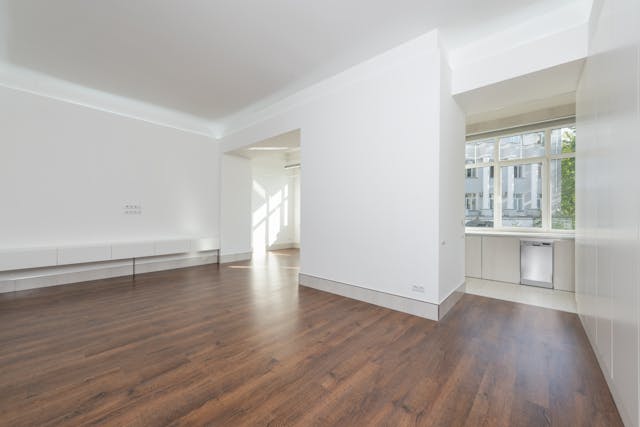
Managers can compare the unit with relevant local listings, monitor inquiry volume, and recommend changes when traffic is weak. Nearby comparable apartments, recent leasing activity, and actual inquiry patterns are more useful than a broad market average when setting a particular unit’s rent.
A disciplined approach considers price, condition, photographs, listing reach, showing access, and renewal planning together. Document how each listing performs across channels and leasing periods. No marketing plan removes all vacancy, but consistent tracking helps an owner understand where the leasing process is slowing down.
Consistent Resident Screening
Apartment owners need a written screening policy that is lawful, objective, and applied consistently. Depending on the policy and applicable rules, the review may include identity, verifiable income, rental history, credit information, and other lawful background information. The manager should document authorization, criteria, decision steps, and required notices.
Screening reports can be incomplete or wrong, and managers should have a process for reviewing disputed information. The Consumer Financial Protection Bureau explains report contents, dispute rights, and report-based decision notices in its tenant background-check guidance. Fair housing law and local protections must also be considered throughout advertising, showing, screening, and leasing.
An effective tenant screening process supports consistent decisions; it does not guarantee how a resident will act in the future. Owners should ask a prospective manager how criteria are approved, how exceptions are handled, how sensitive data is secured, and how decisions are recorded.
Lease Administration and Rent Collection
Clear lease administration begins before move-in. A manager can coordinate state-appropriate documents, required disclosures, deposits, condition records, keys, utilities, and resident orientation. During the tenancy, the same system tracks renewals, notices, rule enforcement, reasonable requests, and move-out accounting.
Rent collection also requires more than providing a payment portal. Owners need reliable posting, reconciliations, late-payment procedures, resident communication, and escalation consistent with the lease and law. Managers can maintain those workflows and provide reports showing collected rent, balances, expenses, and unit status.
Maintenance and Turnover Coordination
Apartment maintenance affects resident experience, regulatory compliance, asset condition, and long-term capital planning. A manager can receive requests, distinguish emergencies from routine work, dispatch vendors, document completion, communicate updates, and maintain service histories by unit or building.
Routine work should connect with a broader apartment maintenance plan. Scheduled HVAC service, plumbing checks, exterior reviews, common-area upkeep, alarm testing, and recurring inspections can help identify issues before they spread to adjacent units or require larger repairs.
Turnovers need similar coordination. The team can schedule possession, document condition, prepare accounting, plan repairs, clean and photograph the apartment, and relaunch marketing. Owners should establish approval limits and emergency authority in advance so urgent work is not delayed while nonurgent costs remain controlled.
Compliance and Documentation
Apartment operations can involve fair housing, consumer reporting, deposits, notices, habitability, entry, licensing, inspections, local ordinances, and building-specific rules. HUD’s Fair Housing Act overview summarizes the federal protections against discrimination in rental housing.
A knowledgeable manager can implement current procedures and organize records, but the owner should understand the division of responsibility and use legal counsel when a matter requires legal judgment.
Documentation creates continuity. Leases, applications, reports, notices, resident requests, invoices, photographs, inspection records, and communications should be retained securely under a defined policy. If staff or vendors change, the operating record should still explain what happened and what remains open.
Information for Better Investment Decisions
Reliable reports help an owner see beyond gross rent. Occupancy, delinquency, concessions, turnover costs, maintenance trends, capital needs, and operating expenses all affect performance. Review real estate investment metrics consistently so changes can be identified early and compared across periods.

Managers can also contribute practical context when an investor evaluates another apartment building. Their knowledge of leasing demand, resident expectations, vendor capacity, recurring defects, and realistic operating costs can improve due diligence. The final acquisition decision and investment risk remain with the owner.
Choosing the Right Management Partner
Compare scope, fee structure, staffing, communication, accounting, technology, leasing authority, maintenance markups, approval thresholds, after-hours coverage, reporting, insurance, references, and termination terms. Ask who will be the regular contact and how quickly the company reports significant incidents.
Request a sample owner statement, inspection report, and management agreement before signing. Concrete examples show how the company communicates, documents apartment conditions, records expenses, and presents information for owner decisions.
The strongest partnership has defined expectations on both sides. Owners should provide timely decisions and adequate reserves; managers should communicate clearly, follow agreed authority, and report results honestly. Review the relationship periodically as the apartment portfolio changes.
Bottom Line
Apartment property management can give investors systems for marketing, screening, leasing, collections, maintenance, documentation, and reporting. Those systems do not eliminate risk, but they can reduce owner workload and make day-to-day performance easier to understand. The right partner also gives the owner a consistent operating record for reviewing current results and planning the next investment decision.
B&R Property Management supports apartment owners with local leasing and management experience. Contact the team to discuss the needs of your apartment unit or building.