

Assessing Climate Risks in Real Estate: A Guide for Investors
Assessing Climate Risks in Real Estate: A Guide for Investors
Key Takeaways
- Nevada apartment investors need to evaluate climate exposure because extreme heat, water scarcity, flash flooding, and wildfire smoke can influence operating costs and property performance.
- Building upgrades such as reflective roofing, efficient HVAC systems, insulation, and modern windows help apartments perform better in Nevada’s high heat environment.
- Water conservation strategies like xeriscape landscaping, drip irrigation, and low-flow fixtures can reduce operating expenses and align with regional water regulations.
- Climate resilience improvements can influence insurance costs, financing terms, and long-term property value for apartment investments in Nevada.
The desert landscape of the Silver State is changing, and for apartment investors, the financial stakes have never been higher. Nevada is currently one of the fastest-warming states in the country, with southern regions facing extreme heat and northern regions dealing with shifting precipitation and wildfire patterns.
For apartment owners in markets like Las Vegas, Henderson, and Enterprise, climate risk is no longer a future concern. It is a direct threat to property value, operating costs, and tenant retention right now. B&R Property Management put together this article to help investors navigate the specific environmental challenges of the Nevada apartment market.
Identifying the Primary Climate Hazards for Nevada Apartments
When assessing climate risk for Nevada apartment buildings, investors should focus on ongoing environmental pressures rather than isolated events. Extreme heat is the primary threat, especially in Southern Nevada.
Rising triple-digit temperatures strain roofs, plumbing, electrical systems, and HVAC equipment, leading to more frequent repairs and replacements. The urban heat island effect in Las Vegas and Henderson keeps temperatures elevated overnight, forcing cooling systems to run longer and increasing costs.
Flash flooding is another concern. Intense monsoon storms can overwhelm aging drainage systems, putting garden-style apartments, parking areas, and ground-floor units at risk. In Northern Nevada, wildfire and smoke exposure are increasing, affecting air quality and placing additional stress on building ventilation systems.
Evaluating Building Infrastructure and Energy Performance
An apartment building’s structure plays a major role in how well it handles Nevada’s climate. Investors should start by evaluating overall thermal performance. Insulation is essential. Poor insulation allows excessive heat gain, forcing cooling systems to work harder.
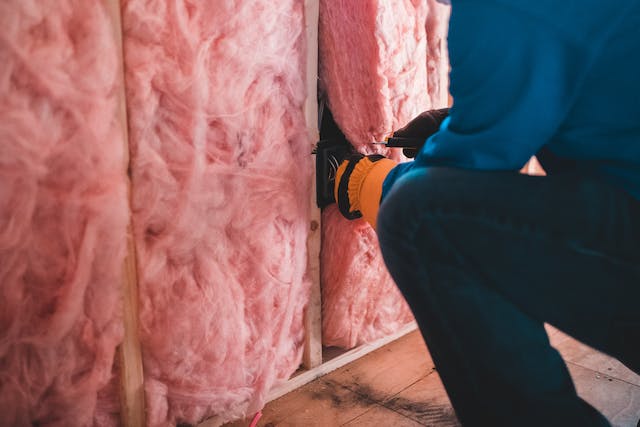
Older or single-pane windows also increase energy use and reduce tenant comfort. Upgrading to energy-efficient windows can lower indoor temperatures and operating costs. Roofing materials matter as well. Dark shingles absorb heat, raising temperatures in top-floor units. Reflective roofing or cool roof coatings help reduce heat absorption and extend roof life.
HVAC systems are the most critical assets in Nevada apartments. A summer cooling failure can quickly become a habitability issue with legal and financial consequences.
Regular inspections and planned replacements are far more cost-effective than emergency repairs. Energy efficiency improvements not only reduce expenses but also strengthen property value, making apartments more appealing to tenants.
Water Scarcity and Operational Costs
Water management is a key financial issue for Nevada apartment owners. Southern Nevada faces strict limits tied to Colorado River supplies, along with landscaping rules and turf removal mandates.
Apartment communities with large grass areas or inefficient irrigation systems risk higher water bills and compliance problems. Converting to xeriscape landscaping with drought-tolerant plants and drip irrigation reduces long-term costs and supports local regulations.
Water efficiency inside units is just as important. Low-flow fixtures, high-efficiency toilets, and leak detection systems help prevent waste. A small leak can quickly become expensive if ignored. In Nevada, water scarcity directly affects operating expenses and must be managed carefully to protect profitability.
Wildfire Exposure and Air Quality in Northern Nevada
Wildfire risk is an increasing concern for apartment investors. Properties close to wildland areas face direct fire exposure, while others may still deal with prolonged smoke and poor air quality. Smoke can linger for weeks during fire season, making proper air filtration essential.
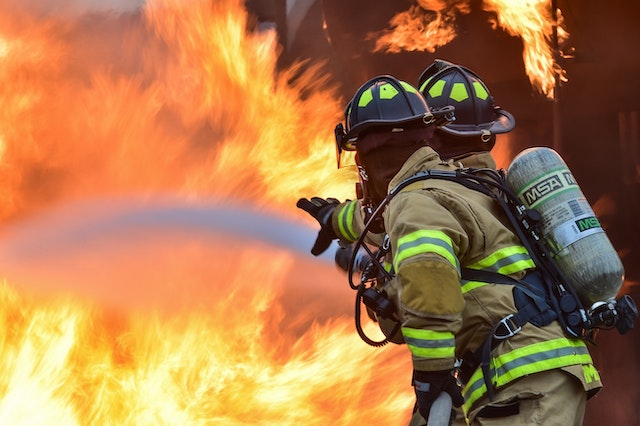
High-quality filters and well-maintained HVAC systems help protect tenant health and reduce complaints. Building exteriors also matter. Fire-resistant materials, cleared vegetation, and maintained defensible space lower risk and can improve insurance outcomes.
Insurance, Financing, and Property Valuation
Climate risk in Nevada is now directly tied to insurance costs and lending standards. Insurers use detailed modeling to evaluate exposure to heat, flood, and wildfire. Apartments with outdated systems or weak mitigation plans often face higher premiums or limited coverage.
Lenders are also factoring environmental risk into underwriting. Properties without energy efficiency or resilience upgrades may receive less favorable loan terms. In contrast, apartments with reflective roofing, updated HVAC systems, water-efficient landscaping, and fire-resistant materials are seen as lower risk.
These improvements can support stronger appraisals and long-term returns. For Nevada apartment investors, climate resilience directly impacts expenses, financing, and overall property value.
Why Professional Property Management Is Essential
Managing climate risks alone can be difficult. Effective adaptation requires ongoing oversight, regulatory knowledge, and proactive maintenance.
A professional property management company like B&R Property Management coordinates preventative maintenance for Nevada apartments, including HVAC servicing before extreme heat, drainage inspections before monsoon season, and air filtration checks ahead of wildfire season.
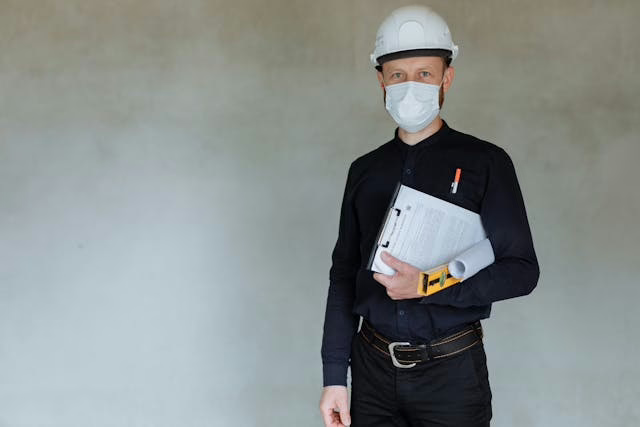
Property managers also work with experienced contractors for desert-resilient roofing, xeriscaping, and energy-efficient upgrades, ensuring compliance with local codes. We stay current on Nevada water regulations and efficiency standards to keep properties compliant.
Bottom Line
Nevada offers strong opportunities for apartment investors, but the climate realities of the state require careful planning. Extreme heat in Las Vegas and Henderson, water scarcity across Southern Nevada, and wildfire risks are now central factors in property performance.
Investors who prioritize energy efficiency, water conservation, and structural resilience will protect their cash flow and long-term asset value.
B&R Property Management helps apartment landlords across Nevada navigate these environmental challenges with confidence. Our team understands local climate pressures and provides hands-on oversight, from preventative maintenance to long-term resilience planning.
Protect your apartment investments and position them for long-term success in Nevada’s changing environment. Contact us today.