

Emergency Maintenance 101: What Counts as an Emergency?
Emergency Maintenance 101: What Counts as an Emergency?
Key Takeaways
- True rental emergencies threaten health or safety or can cause significant property damage if left unaddressed.
- Essential systems such as plumbing, heating, electrical service, and cooling during dangerous heat require prompt attention.
- A documented after-hours process helps owners respond consistently and reduce unnecessary damage or vendor costs.
A late-night maintenance call does not automatically require an immediate dispatch. A dripping faucet and an active flood both need attention, but they carry very different levels of urgency.
Knowing how to classify requests is a core part of rental property management. Respond too aggressively and owners may spend unnecessarily on after-hours service. Respond too slowly and a manageable problem can become a habitability issue or expensive repair.
B&R Property Management coordinates urgent maintenance for apartment communities throughout the Las Vegas Valley. This guide explains which problems generally require an emergency response, which can wait, and how owners can build a process that protects residents and the property.
What Qualifies as an Emergency?
A maintenance emergency generally creates an immediate health or safety risk or is likely to cause substantial property damage if left unaddressed.
Common examples include:
- Flooding or major water leaks: Burst pipes, water heaters releasing water, or active ceiling leaks can quickly damage flooring, walls, cabinets, and surrounding units.
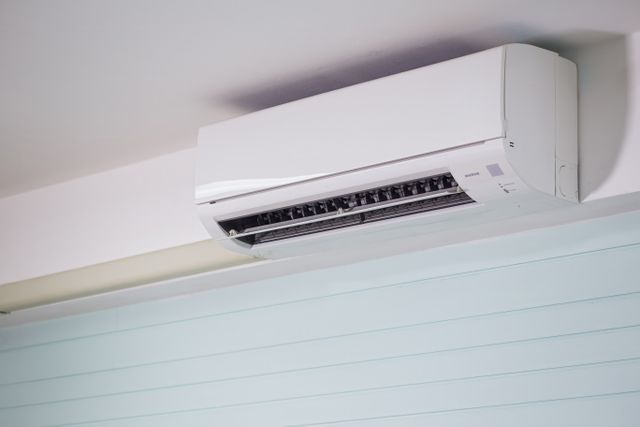
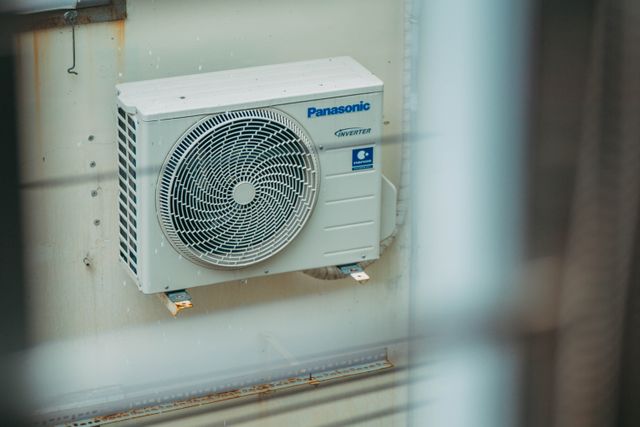
- Loss of cooling during dangerous heat: In the Las Vegas Valley, a failed air conditioning system can become a health and safety concern when outdoor temperatures are extreme.
- Gas odors or suspected gas leaks: Residents should leave the affected area and contact the appropriate emergency or utility service. Owners or managers should treat the situation as urgent.
- Loss of heat during dangerous cold: A complete heating failure may require urgent attention when indoor conditions could become unsafe.
- Sewage backups or loss of essential sanitation: Sewage entering a unit or the loss of the property’s only functioning toilet can create sanitation concerns. CDC guidelines recommend avoiding contact with sewage-contaminated water because of the potential health risks.
- Electrical hazards: Sparking outlets, exposed wiring, burning odors, or other signs of a potentially dangerous electrical problem warrant prompt attention.
- Security-related damage: A damaged exterior lock, broken entry door, or other issue that prevents a unit from being reasonably secured may require an emergency response.
- Fire, storm, or structural damage: Damage that leaves a building unsafe or vulnerable to further deterioration should be evaluated promptly.
The specific response depends on the circumstances. Owners should focus on the severity of the risk rather than whether a request simply feels inconvenient or urgent.
What Can Usually Wait for Regular Business Hours?
Many requests require repair but do not justify an after-hours dispatch.
Examples can include a dripping faucet, slow drain, running toilet that still functions, one nonworking appliance component, minor garbage disposal problems, squeaky doors, chipped paint, or other cosmetic concerns.
Context matters. A partially functioning HVAC system during mild weather differs from a complete cooling failure during extreme heat. Likewise, a small plumbing leak that can be contained is different from uncontrolled water entering a unit.
The better standard is whether delaying the repair creates a meaningful health, safety, security, or property-damage risk.
How Quickly Should Landlords Respond?
Nevada landlord-tenant law requires owners to maintain certain essential services and conditions. The appropriate response time depends on the nature and severity of the problem.
A minor repair may reasonably be scheduled during normal business hours. An active flood, suspected gas leak, dangerous electrical condition, or other immediate hazard calls for a much faster response.
Owners should have a process that allows urgent reports to be reviewed promptly rather than sitting in a routine maintenance queue until the next business day. Nevada guidance distinguishes essential services from less urgent habitability issues, which can help owners structure an appropriate maintenance response.
Because requirements can depend on the facts, owners should confirm current Nevada law and applicable local rules when developing a maintenance policy. This information is educational and is not legal advice.
Setting Up an After-Hours Maintenance Process
A strong emergency maintenance program should not depend on an owner improvising every time the phone rings.
A practical process should include:
- A dedicated emergency contact method: Provide a phone line, answering service, or other monitored system for urgent issues.
- A written emergency definition: Explain which problems require immediate reporting so residents understand how to use the emergency system.
- Reliable on-call vendors: Maintain relationships with plumbers, electricians, HVAC contractors, restoration professionals, and other vendors available outside normal business hours.

- Backup coverage: Have alternatives if the primary vendor is unavailable.
- Clear escalation procedures: Establish who can authorize emergency repairs and when utilities or emergency services should be contacted.
- Documentation: Record the report, response, photos when appropriate, vendor activity, expenses, and follow-up work.
Consistent documentation helps owners review what happened, support claims when necessary, and identify recurring maintenance problems.
Our team provides 24/7 maintenance coordination for the apartment communities it manages throughout the Las Vegas Valley. For owners without local staff available after hours, professional coordination can help ensure urgent issues reach the right vendor without requiring the owner to manage every call personally.
Why Correct Classification Matters
Treating every maintenance request as an emergency can increase overtime costs, create unnecessary vendor dispatches, and make it harder to prioritize genuinely urgent situations.
Underreacting creates different risks. Water damage can spread, safety hazards can worsen, and delayed responses to essential-service problems may create habitability or liability concerns.
A written standard helps establish consistency. OSHA safety practices emphasize identifying foreseeable hazards and establishing clear response procedures so staff understand how urgent situations should be handled.
Owners should also review recurring emergency calls. Frequent plumbing, electrical, HVAC, or appliance failures may indicate that preventive maintenance or replacement would be more cost-effective than repeated emergency repairs. Routine apartment property inspections can also uncover developing maintenance concerns before they turn into urgent repairs.
Bottom Line
Emergency maintenance works best when owners have a clear standard before something goes wrong.
The central question is straightforward: does the problem threaten health or safety, compromise security, prevent essential use of the property, or risk significant damage if it waits?
If so, the issue should receive prompt attention. If not, it can usually be documented and scheduled through the normal maintenance process.
Local conditions matter. Extreme Las Vegas heat can make a cooling failure far more serious than the same issue under mild conditions, while plumbing, electrical, security, and structural hazards require evaluation based on the actual risk involved.
Professional property management can make this process easier by providing a clear reporting system, coordinating qualified vendors, documenting repairs, and handling urgent calls around the clock.
Frequently Asked Questions
What Should a Resident Do if They Have an Emergency After Hours?
Residents should use the emergency contact method provided by the landlord or management company rather than waiting to submit a routine work order.
If there is an immediate danger, such as a suspected gas leak, fire, or other serious safety threat, the appropriate emergency or utility service should also be contacted. Owners should provide clear instructions in advance so residents know whom to call.
How Quickly Should Landlords Respond to a True Emergency?
The appropriate response depends on the seriousness of the condition. Problems involving active flooding, gas, electrical hazards, loss of essential services during dangerous weather, or other immediate risks should be addressed promptly.
Less serious repairs can generally be documented and scheduled during normal service hours. A written escalation process helps ensure urgent issues are not delayed unnecessarily.
Is a Broken Air Conditioner in Las Vegas an Emergency?
It can be. A complete cooling failure during dangerous heat may create a health and safety concern and should be treated more urgently than the same problem during mild weather.
Owners should consider indoor conditions, outdoor temperatures, the extent of the failure, and other relevant circumstances rather than relying on a single rule for every HVAC request.
What if a Resident Reports an Issue as an Emergency but It Is Not One?
Document the request, explain how it has been classified, and schedule the repair through the appropriate maintenance process.
A written emergency-maintenance policy can reduce confusion and help staff apply the same standard consistently. A request does not have to qualify as an emergency to deserve follow-up; it simply may not require an after-hours dispatch.
Do Nevada Landlords Have Habitability Obligations for Repairs?
Yes. Nevada law includes habitability requirements related to essential building systems and rental conditions. Depending on the issue, tenants may have statutory remedies when an owner fails to address qualifying conditions after receiving notice.
Owners should keep current with Nevada requirements and seek legal guidance when facing a specific habitability dispute or uncertainty about their obligations.