

What Maintenance Issues Are Emergencies And What Can Wait For Regular Business Hours?
What Maintenance Issues Are Emergencies And What Can Wait For Regular Business Hours?
Key Takeaways
-
- Gas odors, carbon monoxide alarms, flooding, fire hazards, and structural instability demand immediate action.
- A routine problem becomes urgent when it creates a security risk, water damage, or loss of an essential service.
- Residents should report every concern promptly, even when the repair can wait for a scheduled visit.
- Written triage instructions support consistent responses without assigning hazardous work to residents.
A late-night report can be stressful, but urgency depends on the hazard rather than the hour. B&R Property Management manages apartments, where one failing system may affect several households. Owners need a process that protects people, limits damage, and schedules ordinary repairs appropriately.
Use a Safety-First Triage Rule
An emergency threatens life, health, security, essential services, or the building. Written maintenance expectations for new residents can explain whom to call without assigning hazardous work.

Federal natural gas emergency guidance illustrates why the response must fit the hazard. Local requirements, weather, building design, and actual conditions may change a report’s classification.
Eight Maintenance Emergencies That Cannot Wait
These source-listed problems warrant immediate assessment by appropriate emergency services or qualified vendors.
- 1. Gas Leaks: A strong gas odor, hissing sound, or suspected leak creates fire, explosion, and health risks. Residents should leave without using switches, phones, flames, or anything that could spark. From a safe location, call 911 and the gas utility, and do not re-enter until authorized. If anyone feels ill, also tell the 911 dispatcher immediately.
- 2. Burst Pipes or Major Flooding: Active water can damage multiple apartments and reach electrical systems. Residents may close an accessible shutoff only when safe; they should never enter standing water near energized equipment. Dispatch plumbing help, notify affected households, and begin drying promptly.
- 3. No Heat During Freezing Weather: A heating failure is urgent when temperatures threaten health or pipes. Confirm the affected area, send HVAC help, and communicate safe interim arrangements. Residents should not use an oven, grill, or unapproved device for heat.
- 4. Electrical Sparking or Burning Odors: Smoke, sparks, buzzing, heat, or burning odors can signal a fire hazard. Residents should move away and call 911 if there is smoke or fire. Never direct someone who is wet, standing in water, or unsure of the equipment to touch a panel. Use a licensed electrician.
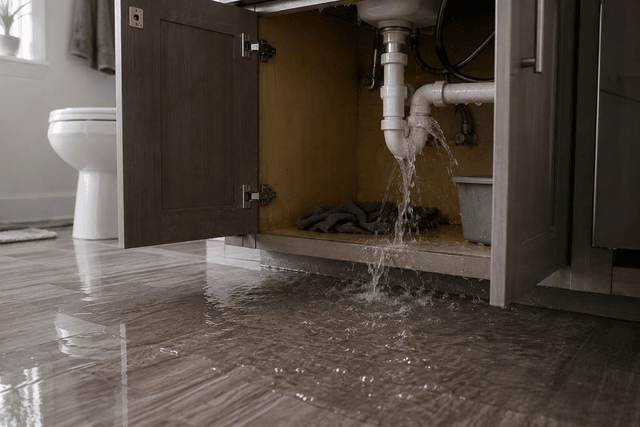
A consistent prompt repair reporting process helps staff gather facts quickly, but reporting instructions must not encourage residents to investigate a dangerous system.
- 5. Sewage Backups: Wastewater entering an apartment requires fast containment. Keep people away, stop using connected fixtures, and arrange emergency plumbing and appropriate cleanup. EPA guidance says to avoid contact with a sewage backup because pathogens and electrical or gas hazards may be present.
- 6. Carbon Monoxide Alarms: Everyone should move outside, call 911, account for occupants, and remain out until emergency personnel authorize re-entry. CPSC advises immediate fresh air and a 911 call whenever carbon monoxide exposure is suspected inside apartments. After clearance, a qualified technician can inspect fuel-burning equipment and ventilation.
- 7. Broken Locks or Compromised Entry Points: A damaged door, failed lock, or forced entry needs prompt security action. If a break-in may be in progress, residents should move to safety and call police. After the scene is released, arrange an emergency locksmith or board-up service.
- 8. Roof Collapse or Structural Failure: A sagging ceiling, falling material, wall movement, or sudden cracking can indicate instability. Evacuate, keep others out, contact emergency services or the building authority, and await qualified inspection.
Record what happened, when it began, which apartments are affected, and what safety steps were taken. Photos can help only when they can be captured without entering a hazardous area.
Eight Repairs That Usually Can Wait for Business Hours
Waiting does not mean ignoring the report. Acknowledge it, give safe temporary instructions, and schedule the repair. These issues are routine only without an urgent condition.
Regular preventive apartment maintenance can identify failing valves, loose locks, HVAC problems, and moisture before an after-hours report occurs.
- 1. Dripping Faucets or Running Toilets: A contained drip or toilet that stops after its shutoff can wait. Escalate an overflow, failed shutoff, water entering another apartment, or a leak near electrical equipment. Ready.gov’s flood safety guidance warns against touching wet electrical equipment.
- 2. Broken Garbage Disposals: A jammed disposal can wait when the sink drains and there is no leak, burning odor, or electrical problem. Residents should keep hands and tools out.
- 3. Malfunctioning Appliances: A dishwasher, microwave, or oven problem is often schedulable without a gas, electrical, water, or food-safety hazard. A refrigerator outage, sparking appliance, leaking dishwasher, or suspected gas leak needs faster assessment.
- 4. Slow-Draining Sinks: A slow drain is routine while water clears and remains contained. Escalate sewage, multiple backed-up fixtures, failure of the only usable fixture, or water overflowing into cabinets, floors, or neighboring apartments.
- 5. Mildew or Limited Surface Mold: A small area without active leakage can often be evaluated during business hours, but it should not be covered over. EPA guidance emphasizes moisture control and prompt cleanup. Escalate active leaks, extensive growth, recurring dampness, or reported health symptoms.
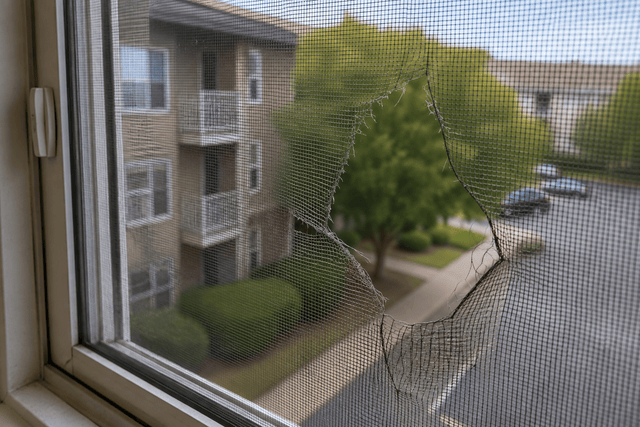
- 6. Broken Window Screens: Torn mesh is routine when the glass, frame, and lock remain secure. A broken pane, unsecured opening, falling-glass risk, weather intrusion, or loss of required ventilation may require immediate protection.
- 7. Minor Cosmetic Damage: Wall dings, loose decorative trim, and scratched flooring can enter the normal queue. Reclassify a falling component, exposed sharp edge, or damage suggesting hidden water, electrical, pest, or structural trouble.
- 8. Broken Intercom or Buzzer: A failed buzzer can wait when residents retain safe entry, emergency communication, and building access. Escalate loss of secure entry, an affected emergency system, blocked access, or a wider electrical or door-control failure.
List vendor contacts, utility shutoffs, communication steps, and urgent-work approval authority in the response plan.
Routine work should connect with a broader apartment maintenance plan. Scheduled HVAC service, plumbing checks, exterior reviews, common-area upkeep, alarm testing, and recurring inspections can help identify issues before they spread to adjacent units or require larger repairs.
Turnovers need similar coordination. The team can schedule possession, document condition, prepare accounting, plan repairs, clean and photograph the apartment, and relaunch marketing. Owners should establish approval limits and emergency authority in advance so urgent work is not delayed while nonurgent costs remain controlled.
Bottom Line
The useful distinction is “contained versus actively hazardous.” Respond immediately to fire, gas, carbon monoxide, flooding, sewage, security, essential-heat, or structural threats while scheduling contained routine repairs. B&R Property Management uses clear triage procedures without asking residents to take unsafe actions.
Frequently Asked Questions About Apartment Maintenance Emergencies
The details of a report determine its priority. These answers summarize how apartment owners can make an initial safety-focused decision while arranging qualified help.
What Should a Resident Do First in a Maintenance Emergency?
Move away from immediate danger and contact emergency services when fire, gas, carbon monoxide, violence, or structural failure is involved. Then use the building’s emergency channel from a safe location.
Owners can ask for the apartment number, visible conditions, start time, and whether anyone needs assistance. Residents should not investigate gas, touch unsafe electrical equipment, enter contaminated water, or remain beneath a damaged ceiling to gather details. Report any injury or illness during the emergency call.
Is No Heat Always an After-Hours Emergency?
Heating complaints differ. Outdoor and indoor temperatures, apartments affected, resident safety, pipe-freezing risk, and local requirements all matter. A failure during freezing weather or a health risk needs immediate assessment and safe interim arrangements.
A comfort complaint with safe indoor conditions may follow a scheduled response. Owners should communicate the timeline, monitor changing conditions, and never suggest using an oven, outdoor grill, or unapproved heater as a substitute. Document temperature readings while qualified help is being arranged.
When Does a Plumbing Problem Become an Emergency?
A plumbing issue is urgent when water or sewage spreads, cannot be contained, threatens electrical equipment, affects multiple apartments, or removes an essential fixture without a safe alternative. A slow drain or contained drip is normally schedulable but should be reported promptly.
Ask whether a shutoff works, where water is moving, and whether the area can be avoided. Never instruct a resident to enter standing water or handle contaminated sewage. Notify neighboring apartments when shared plumbing lines may be involved.
Can a Broken Appliance Wait Until Business Hours?
Often it can, but the failure mode matters more than the appliance name. A dishwasher that will not start differs from one leaking across the floor. A broken microwave may be routine, while sparks or a burning odor require immediate safety assessment.
Refrigeration loss may require faster food-safety communication. Ask about gas odor, smoke, heat, water, unusual sounds, and whether the appliance is the only safe option available. Do not restart equipment that appears damaged or unsafe.
How Should Apartment Owners Document an After-Hours Report?
Record the time, apartment, reporter, observed conditions, affected systems, safety instructions, contacts, and status updates. Note direct observations rather than assumptions. Photos or video are useful only when captured safely. Keep the report, approvals, invoices, and completion notes together so the next staff member understands the response.
Documentation supports consistent triage, follow-up with affected households, preventive planning, and review of whether the emergency procedure worked as intended. Record who confirmed the area was safe for re-entry.