

What exactly is “Normal Wear and Tear”?
What exactly is “Normal Wear and Tear”?
Key Takeaways
- Normal wear and tear is natural, unavoidable deterioration from everyday use—not tenant negligence.
- Landlords cannot charge for standard wear but can deduct from deposits for excessive or preventable damage.
- Clear documentation and inspections help avoid disputes between landlords and tenants.
- Strategies like tenant screening and regular maintenance reduce the risk of costly damage.
What is normal wear and tear in a rental property? This question doesn’t sound important until you have to assess a tenant’s use of your rental property to determine whether the damage you are looking at is “normal” or caused by negligence and malice.
Every landlord expects their rental property to show signs of reasonable physical deterioration after being occupied by tenants for some time. The challenge is knowing how to differentiate between what is expected damage and what is abused by a tenant.
This problem is the reason why landlords require new tenants to pay a security deposit. The difference between normal wear & tear and major damage in a rental property is what determines what will happen to a tenant’s security deposit at the end of their lease term.
So, it is a very important issue for both landlords and tenants.
At B&R Property Management, we help property owners navigate these situations with clear guidelines and professional assessments, reducing the risk of disputes and ensuring fair outcomes for everyone involved.
To avoid unnecessary disputes over this issue, both landlords and tenants need an objective way to determine what is normal damage and what is not. That’s because tenants naturally want to minimize the damage in a rental property, while landlords tend to exaggerate it
What is “Normal Wear and Tear” in a Rental Property?
“Normal wear and tear” or “reasonable wear and tear” is the natural aging that happens when the residents of a rental property use the home and its contents in the recommended manner. It is different from decline due to neglect or abuse by the tenant.
Normal wear and tear is gradual. It is caused by regular everyday use of an item and by aging. It is the outcome of ordinary living conditions wherein a tenant uses, cleans, and cares for the building or the items inside it. It is defined by the following:
- Cause: It is a natural process. It happens regardless of how careful the tenant is.
- Unavoidable: It cannot be prevented because it is part of the natural lifecycle of the item.
- Responsibility: Tenants should not pay for damage caused by “normal wear and tear.”
Normal Wear and Tear Versus Excessive Damage
Unexpected damage (also known as excessive damage or major damage) is damage that is not due to normal wear and tear. These types of damage do not happen from natural deterioration but are intentional, accidental, or the result of neglect.
If it is determined that the damage to a rental property is not normal, the landlord may use the tenant’s security deposit to cover the cost of fixing the problems. Here are examples of what constitutes normal wear and tear versus excessive damage in a rental property.
Walls & Paint
Faded paint from constant exposure to sunlight, a few small holes for hanging picture frames, and minor scuffs are all normal wear.

Dozens of nail holes, gaping holes, crayon marks, and stains are considered excessive damage.
Flooring & Carpet
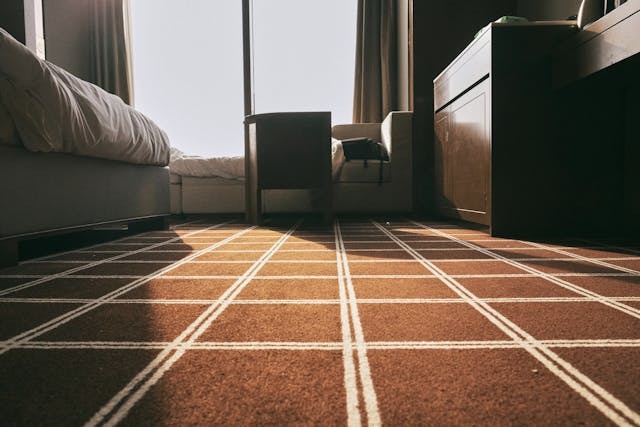
Worn-out sections in high-traffic areas, indentations in furniture, plus minor scratches are normal wear. Excessive damage is stains from wine/pet urine, gouges from dragging things across the carpet, or water-warped wood flooring.
Windows & Doors
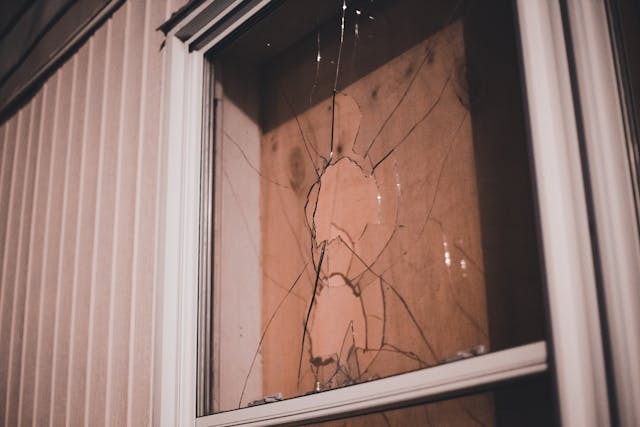
Loose door handles and hinges, windows cracking from settling, or sticky doors caused by humidity are normal wear. But broken glass or frame, doors separated from their hinges, and missing keys or locks are excessive damage.
Kitchen & Bath
Loose grout, worn-out enamel, minor water spots on the fixtures, and faded appliance finishes are expected wear. Conversely, missing fixtures, chipped or broken enamel, caked-on grease, and toilets clogged from misuse are not.
Appliances
Faded dials, malfunctions due to aging, and light residue from regular use are expected damage. In contrast, broken or missing refrigerator shelves, excessive grime and grease, or shattered glass on oven doors are examples of excessive damage.
Excessive damage in a rental property is not always the fault of tenants, though. Landlords can also cause major damage by neglecting to maintain and repair their property. What are the key factors for assigning responsibility for major damage in a rental property?
Assigning Responsibility for Excessive Damage in a Rental
The following must be taken into account when trying to decide who should bear the financial burden for fixing major damage in a rental property:
The Useful Life of the Item
All items in a rental have an expected lifetime. For instance, HUD guidelines suggest a 3-year life for wall paint and a 5-year life for carpet.
If the item fails before the end of its useful life, the landlord can ask the tenant to pay for it.
Prevention Versus Negligence
If the damage is avoidable, it cannot be categorized as normal wear. For instance, a leaky pipe is normal wear, but if it causes mold or rot because the tenant failed to report it, it is major damage that the tenant must pay for.
Unauthorized Alterations
Any changes a tenant makes to a rental property without the landlord’s consent are considered major damage. The tenant must bear the cost of returning the property to its original condition, unless the landlord decides to let it go regardless of if the change was communicated to them or not.
Protecting Your Rental Property from Excessive Damage
What can landlords do to reduce the risk of major damage in their rental property or protect their investment when a tenant damages it?
- A detailed lease agreement: The lease outlines your expectations for tenants, the penalties for violating the lease, and also makes it easier to enforce the lease terms.
- Security deposits: Beyond requiring new tenants to pay a security deposit, you need clear rules on how the money will be used if the tenant damages your property.
- Renter insurance: Requiring tenants to have renters’ insurance lets you attract quality tenants who will display more responsibility in protecting the property.
- Move-in inspections: These let you establish a baseline of the state of the rental at the time of tenant move-in. It should be backed with time-stamped videos and photos.
- Seasonal inspections: These quarterly checks are done to evaluate a tenant’s use of the property. They help you catch and address problems early.
- Move-out inspections: This inspection is done at the end of the lease term to compare the current state of the rental to its original condition when the tenant moved in.
Bottom Line
Unexpected property damage is one of the risks that come with investing in rental properties. Like every risk, this one too can be minimized with the right knowledge and strategy. Two important strategies for minimizing the risk of major damage to your rental property are thorough tenant screening and working with a reliable property manager. At B&R Property Management, we specialize in both—helping landlords place qualified tenants and proactively manage properties to reduce the likelihood of costly damage.