

How to Protect Your Investments from Rising Insurance Premiums
How to Protect Your Investments from Rising Insurance Premiums
Key Takeaways
- Insurance premiums for apartment properties are rising due to factors like climate-related disasters, higher construction costs, increased claims, and reduced insurance market capacity.
- Higher insurance costs can significantly reduce net operating income (NOI) and impact the long-term value of multifamily investments.
- Proactive risk management and preventive maintenance, such as upgrading building systems and improving safety features, can help lower insurance risks and premiums.
- Strategic insurance decisions, including higher deductibles and bundling policies, can help investors control costs while protecting their property portfolio.
Rising insurance premiums are fast becoming one of the challenges that significantly affect the profitability of apartment property investors. In many markets, properties have experienced a dramatic increase in insurance costs over the past several years
This increase may significantly reduce the net operating income and long-term value of investments for property owners who rely on stable operating expenses and rental income.
However, economic inflation, increased claims, rising construction costs, and climate-related events have made the insurance market more volatile. This has prompted apartment investors to seek strategies to protect their portfolios from excessive insurance costs.
In this article, we will explore why insurance premiums for apartment buildings are increasing. This will include B&R Property Management strategies that property owners can use to reduce insurance costs and protect the long-term value of their properties.

Why are Insurance Premiums Rising?
Insurance premiums for apartment buildings have experienced significant increases over the past decade. Several environmental and economic factors are responsible for these trends. Some of them include:
1. Increased Natural Disaster
More frequent and destructive natural disasters (such as severe storms, wildfires, floods, and hurricanes) have been reported. These disasters require large payouts from insurance companies and an increase in premiums for property owners.
The financial exposure may be extremely high due to a single incident and damage to numerous units in an apartment building at the same time.
2. Rising Cost of Construction and Repairs
The cost of skilled labor and building materials has gone up due to inflation. Insurers need to adjust their coverage calculations accordingly following an increase in the price of rebuilding or repairing structures. In some places, building expenses have significantly increased, forcing insurance providers to charge more to cover potential replacement costs.
3. Increased Frequency of Claims
Due to high tenant density and shared systems, apartment buildings experience unique risks. In multi-person properties, there is a higher potential for more frequent issues such as kitchen fires, electrical problems, plumbing failures, or slip-and-fall.
When pricing policies, insurance companies thoroughly monitor claim frequency. They apply strict coverage terms or substantially increase premiums when they notice properties with repeat claims.
4. Reduced Insurance Market Capacity
In some areas, coverage offerings have been reduced by some insurance companies, while others have completely withdrawn from markets with high risks.

The remaining insurance companies willing to provide coverage in regions with fewer insurers often increase their prices to absorb higher risk exposure.
5. Liability and Legal Risks
Recently, landlords have been facing more liability claims and legal exposure due to tenant disputes. Insurers are adjusting their premiums to account for the increased risk of lawsuits that are becoming rampant.
How Rising Insurance Premiums Affect Apartment Properties
One of the major components of operating expenses in apartment properties is insurance costs. The net operating income and investment return are significantly reduced by an increase in insurance premiums.
Investors managing large portfolios or owning properties in markets with strict rent regulations are significantly impacted by rising premiums. Property valuation is also affected by rising premiums. That is because the profitability of an asset is reduced by higher expenses.
Apartment property owners need to take proactive steps to protect their investment and control insurance costs because of these financial implications.
4 Strategies to Protect Your Property from Rising Insurance Costs
1. Improve Property Risk Management
Before determining premiums, insurance companies carefully assess the property for risk. More favorable rates are given to properties with well-maintained infrastructures and strong safety measures. For that reason, property owners should prioritize improvements that can protect their property, such as:
- Improving the building’s security and lighting
- Installing modern fire suppression systems
- Maintaining the roof and drainage systems
- Replacing old electrical wiring
- Upgrading outdated plumbing systems
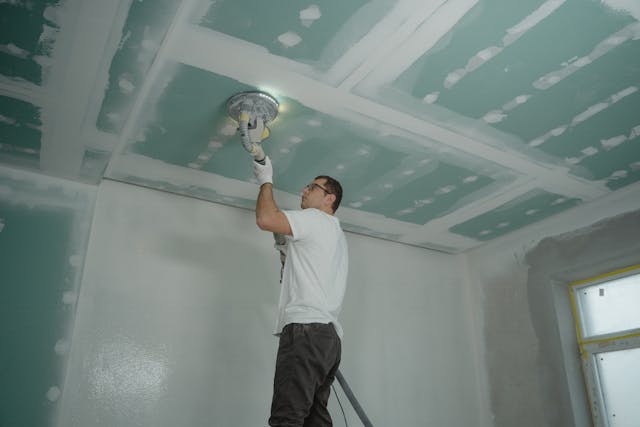
Leaks, fire outbreaks, and other damages that may result in insurance claims are more likely to occur with old building components. The likelihood of these incidents will reduce following upgrades. Insurers consider upgrades as a sign of responsible risk management.
2. Implement Preventive Management Programs
One of the most effective ways of reducing insurance risk is through maintenance. That’s because you can identify potential problems before they cause expensive damage.
Opt for structural inspections, HVAC servicing, fire alarm testing, roof and gutter cleaning, and regular plumbing inspections. To insurance companies, an asset is considered to be of a lower risk when it’s actively maintained.
3. Strategically Increase Deductibles
You can select higher deductibles to reduce annual insurance premiums. Although the premium cost is reduced by higher deductibles, property owners are required to maintain enough reserves to cover potential losses. This is when smart budgeting becomes more important.
Before considering this option, carefully assess your financial status. It’s advisable to balance moderately higher deductibles with strong maintenance practices. Doing so will reduce premiums without exposing the property to more financial risk.
4. Bundle Insurance Policies
Consolidating insurance policies with a single provider is one of the strategies that apartment investors should consider. You’ll benefit from simplified policy management and portfolio discounts. Umbrella policies offer liability coverage across multiple properties. Doing so will lower insurance expenses and minimize administrative complexities.
Bottom Line
Presently, one of the most pressing financial challenges that apartment property owners face is rising insurance premiums. These increasing premiums can significantly reduce the profitability of an investment. Common factors that cause rising issues premiums include market dynamics, increased claims, rising construction costs, and natural disasters.
However, investors still have the power to control their insurance expenses. This can be achieved through partnership with an experienced property management company, such as B&R Property Management, insurance coverage optimization, proactive risk management strategies, and effective property maintenance.